
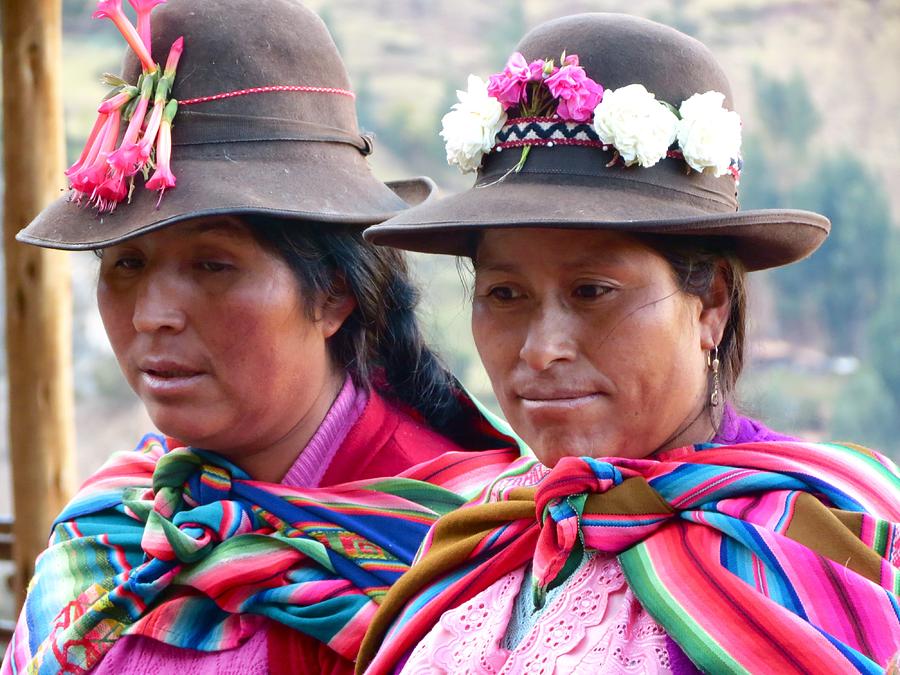

After years of silence in the face of forced sterilisation imposed by President Alberto Fujimori’s government in an attempt to reduce poverty, they are now seeking redress for the injustice they suffered. From 1995 until the early 2000s, nearly 300,000 indigenous Peruvian women suffered as a result of one of the most violent and reductive political decisions regarding the female body.
These women are still marginalised and sometimes forgotten, and have never had political representation to challenge these sterilisations or to understand what was being done to them. They were forced to sign documents they did not understand because of their social status, which was considered a factor in poverty and high birth rates in their communities.
This so-called national economic solution involves the profound dehumanisation and physical dispossession of their identity, branding them for life and causing lifelong psychological trauma and constant physical pain.
There is no respite, as it affects every aspect of their humanity and their right to possess their own bodies. This constitutes not only a profound violation of human rights, but also a political strategy whereby women’s bodies are viewed as instruments of economic regulation rather than personal property.
The most flagrant expression of this perception is the absence of consent: in the dominant social consciousness, often supported by those who make decisions on behalf of the people, the female body is detached from a woman’s identity and reduced to its reproductive capacity.
Decisions about what happens to their bodies are made for them, ignoring their history and uniqueness. This denial of personal identity is another form of violence. The psychological trauma impacts their relationship with their bodies to the extent that they feel as though they no longer belong to them, despite inhabiting them and feeling physical pain when their fallopian tubes are cut. The feeling of silent injustice, of living in a body whose actions express dispossession, is incredibly violent.
Yet they continue to fight, despite the government’s fine words claiming that it cannot offer reasonable individual compensation. They support each other and express a sisterhood mixed with resilience and a quest for dignity, which they are not prepared to negotiate at any price.
This dispossession has not only taken away their right to choose: it has consequences for their daily lives, leading to physical, psychological and economic violence. Many suffer to the point of being unable to maintain a decent standard of living, particularly when working in the fields, due to repetitive pain. A decision designed to ‘avoid poverty’ has in fact amplified their difficulties and weakened their health.
And yet, these women continue to show astonishing resilience. Their actions reveal a determination to believe in life despite the dark times they have experienced.
Seemingly insignificant signs reveal a thirst for life: the care they take in wearing brightly coloured outfits, the attention they pay to their hairstyles, the small pieces of jewellery they wear, hats, and sometimes subtle make-up. These gestures may seem superficial, but they are acts of faith and reappropriation, sometimes passive, sometimes active, of their identity as women.
Indulging in moments of self-care in spaces marked by violence is not simply superficial; it is a silent yet powerful affirmation of self. It is a way of whispering, ‘I exist, even if you do not acknowledge me.’
You see colours; in reality, they are manifestos of hope in a world that has constantly tried to extinguish the smouldering spark of faith within them.
What if your power you hold lives in your femininity? They draw greatly from it without acknowledging it, because the world has condemned femininity to be nothing more than superficial.

 Sunshine Empowerment
Laisser un commentaire